

Closed Thursday, Friday and Monday. Back on Tuesday 9 June. NatroVital orders placed before 12pm Thursday will be dispatched Thursday. Orders placed after this time will be dispatched Tuesday.

0

Your Cart is Empty

  • Add description, images, menus and links to your mega menu

  • A column with no settings can be used as a spacer

  • Link to your collections, sales and even external links

  • Add up to five columns

  • Is Low GABA Why I Feel The Way I Do?

    by Greg Newson 2 min read

    Is Low GABA Why I Feel The Way I Do?

    What Is GABA?

    GABA is the abbreviated name for Gamma-Aminobutyric Acid, the body's naturally occurring tranquillising and calming neurotransmitter. GABA works by acting as a break within the nervous system and brain, where it suppresses the excitatory effects of other neurotransmitters, primarily Glutamate.

    Low GABA Levels And Health Problems

    GABA is the chief sedating neurotransmitter. If levels are low, the excitatory neurotransmitters become dominant. This excitatory state leads to the progression of nervous and neurological problems. Below is a list of the significant health complaints associated with a GABA deficiency.

    ADHD Low levels of digestive enzymes
    Alpha brainwave reduction 2 Mood disorders
    Anxiety 1,2 Muscle spasms/cramps
    Atherosclerosis Nervousness
    Convulsions 6 Panic attacks 10
    Depression 7 PMS 8
    Epilepsy 9 Postpartum depression 12
    Excessive stress Post-traumatic stress disorder
    Feeling overwhelmed Racing thoughts
    Hypertension REM sleep disorder
    Insomnia 3,4 Tourette's syndrome 11

    Animal studies showed that low GABA leads to elevated blood sugar levels in diabetics.5

    Other studies show that a deficiency in GABA lowers the production of hyaluronic acid in the skin. Hyaluronic acid is needed to moisturise the skin and prevent wrinkles. It also lubricates connective tissue including cartilage, ligaments, and tendons.13

    GABA insufficiency allows for an increase in the potentially harmful hormone prolactin. Excessive amounts of prolactin contribute to progesterone deficiency, which may lead to PMS and hormonal anxiety. Additionally, excess prolactin can cause both male and female infertility, increase the risk of breast cancer, suppress immune function and be an underlying factor in obesity. 

    How To Increase GABA Levels?

    Zinc, Vitamin B6, L-Taurine and L-Glutamine are essential for the body to manufacture GABA. Without these nutrients, GABA deficiency remains along with the symptoms. Be-Calm contains these, along with additional nutrients required to maintain GABA and improve its uptake into the brain.  

    Cortisol Calm is an alcohol-free, herbal tonic containing St John's Wort, Withania, Gingko Biloba, Bacopa and Skullcap which improve the ability of the GABA and Benzodiazepine receptors to uptake GABA into the brain. Also, these herbs help manage stress, reduce elevated adrenaline and cortisol levels. 

    Exercise, meditation, yoga, tai chi and deep breathing all play essential roles in maintaining healthy GABA levels. 

    Please Note: If you suffer from low GABA levels;
    Caffeine lowers brain levels of GABA. Long-term alcohol consumption, or binge drinking, also reduces the number of receptor sites that uptake GABA into the brain. 

    The information provided here is generally intended for educational purposes only. We make no claims to diagnose, treat, prevent, alleviate or cure illnesses or diseases with any information or product stated. With any health issue, we suggest you consult your healthcare professional before undertaking any health treatment.

    I hope you found this blog useful and if you did, please leave a comment or share on social media.

    Thanks and have a great day.

    References 

    Greg Newson
    Greg Newson

    Leave a comment

    Comments will be approved before showing up.


    Also in Health Articles

    Perimenopause and Menopause: Why You're Not Coping Like You Used To
    Perimenopause and Menopause: Why You're Not Coping Like You Used To

    by Greg Newson 46 min read

    Perimenopause and menopause can affect far more than just the menstrual cycle. Many women notice broken sleep, hot flushes, anxiety, brain fog, weight changes, lower stress tolerance and feeling constantly exhausted or overwhelmed long before periods stop completely. This article explains why these changes happen, how hormones, cortisol, sleep, the nervous system and inflammation all connect, and where natural support may help.

    Read More
    Why Your Period Has Changed (PMS, Heavy Bleeding & Irregular Cycles Explained) | NatroVital
    Why Your Period Has Changed - PMS, Heavy Bleeding & Irregular Cycles Explained

    by Greg Newson 36 min read

    If PMS or period symptoms make you feel unlike yourself every month, it’s not “just hormones”.

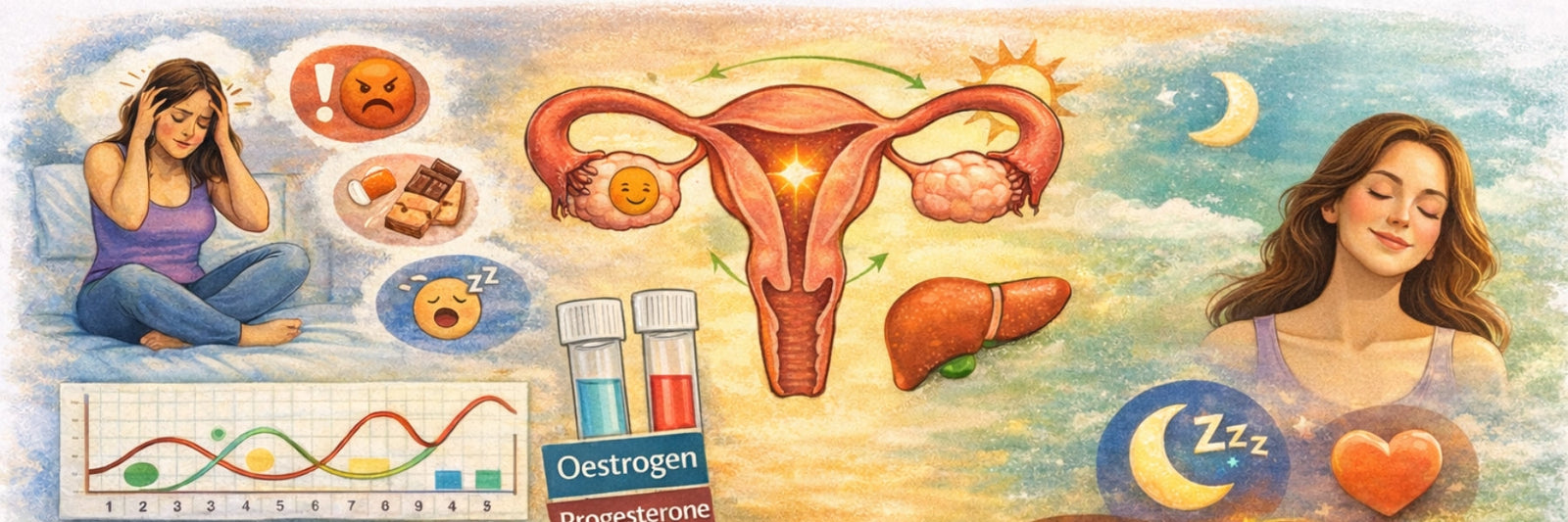
    PMS symptoms like irritability, anxiety, breast tenderness, cravings, headaches, breakouts, pain, heavy bleeding or clots usually reflect how well the cycle is functioning underneath — especially ovulation strength, progesterone rise after ovulation, stress load, blood sugar stability, inflammation, and how efficiently used hormones are cleared. This article helps you pinpoint where symptoms begin in your cycle, what that usually means in the body, and how to start with the most relevant layer of support.

    Read More
    PCOS: Why Ovulation Isn’t Happening — and What That Does to Your Cycle | NatroVital
    PCOS and Ovulation: Why You’re Not Ovulating — and What It Means for Your Cycle

    by Greg Newson 32 min read

    PCOS isn’t just about cysts — it’s about ovulation, hormones, and how your body is communicating.

    This guide breaks down what may be disrupting ovulation in PCOS, including blood sugar fluctuations, ongoing stress, and patterns that interfere with egg development, and shows you a clear, step-by-step approach to supporting a more consistent menstrual cycle.

    Read More