


• Add description, images, menus and links to your mega menu

  • A column with no settings can be used as a spacer

  • Link to your collections, sales and even external links

  • Add up to five columns

  • GABA - The Tranquil Molecule Keeping Us Calm

    by Greg Newson 2 min read

    GABA - The Tranquil Molecule Keeping Us Calm

    What is GABA?

    GABA is the abbreviated name of Gamma Amino Butyric Acid, which is the body's major relaxing, calming and tranquillising neurotransmitter. GABA's primary role is to balance the action of the excitatory neurotransmitters; Glutamate, Adrenaline, Histamine and Acetylcholine. GABA helps nerve cells recover after sending or receiving transmissions making it one of the body's most significant mood modulators.

    GABA acts via receptors to reduce the excitability in nerve transmissions. It successfully filters out irrelevant messages or static by terminating the signals from the excitatory neurotransmitter. GABA is effectively the braking system of all neurotransmitters.

    Symptoms of Low GABA

    For the human body to function correctly, there needs to be a balance between the excitatory and inhibitory neurotransmitters. If the brain has too many excitatory transmissions, it means that GABA levels are low, which can lead to a variety of  adverse health conditions including;

    ADHD Insomnia
    Alcoholism Low Digestive Enzymes
    Anxiety Mood Disorders
    Bi-Polar Disorder Motion Sickness
    Convulsions Nervousness
    Depression Panic Attacks
    Digestive Disorders Racing Mind
    Feeling Overwhelmed Seizures
    Hypertension Tourettes Syndrome

    Symptoms of High GABA

    High levels of GABA result in a calming action that may contribute to sluggish energy, feelings of sedation and foggy thinking. These symptoms are similar to someone who has overdosed on Benzodiazepines or consumed far too much alcohol. Adverse effects include;

    Anaesthesia Nausea
    Drowsiness Poor Memory
    Impaired Learning Sedation

    How to increase Low GABA Levels?

    Be-Calm contains the essential nutrients required by the body to manufacture GABA. Along with additional nutrients to enhance GABA's effectiveness and improve its stability within the brain.

    Cortisol Calm provides medicinal herbs that strengthen the function of the GABA receptors, reduce the symptoms of stress, down-regulate cortisol and help calm and relax the mind and body.

    The information provided here is generally intended for educational purposes only. We make no claims to diagnose, treat, prevent, alleviate or cure illnesses or diseases with any information or product stated. With any health issue, we suggest you consult your healthcare professional before undertaking any health treatment.

    I hope you found this blog useful and if you did, please leave a comment or share on social media.

    Thanks and have a great day.

    Greg Newson
    Greg Newson

    Leave a comment

    Comments will be approved before showing up.


    Also in Health Articles

    Adrenal Fatigue – Why You’re Tired, Wired and Not Coping Like You Used To | NatroVital
    Adrenal Fatigue – Why You’re Tired, Wired and Not Coping Like You Used To

    by Greg Newson 3 min read

    Feeling exhausted but unable to properly switch off? Relying on coffee to get through the day, crashing in the afternoon, or lying awake at night when you should be sleeping? In this episode, we break down what’s really going on underneath these patterns — and what you can start doing to support your energy, sleep and stress response.

    Read More
    Why Your Period Has Changed (PMS, Heavy Bleeding & Irregular Cycles Explained) | NatroVital
    Why Your Period Has Changed (PMS, Heavy Bleeding & Irregular Cycles Explained)

    by Greg Newson 36 min read

    If PMS or period symptoms make you feel unlike yourself every month, it’s not “just hormones”.

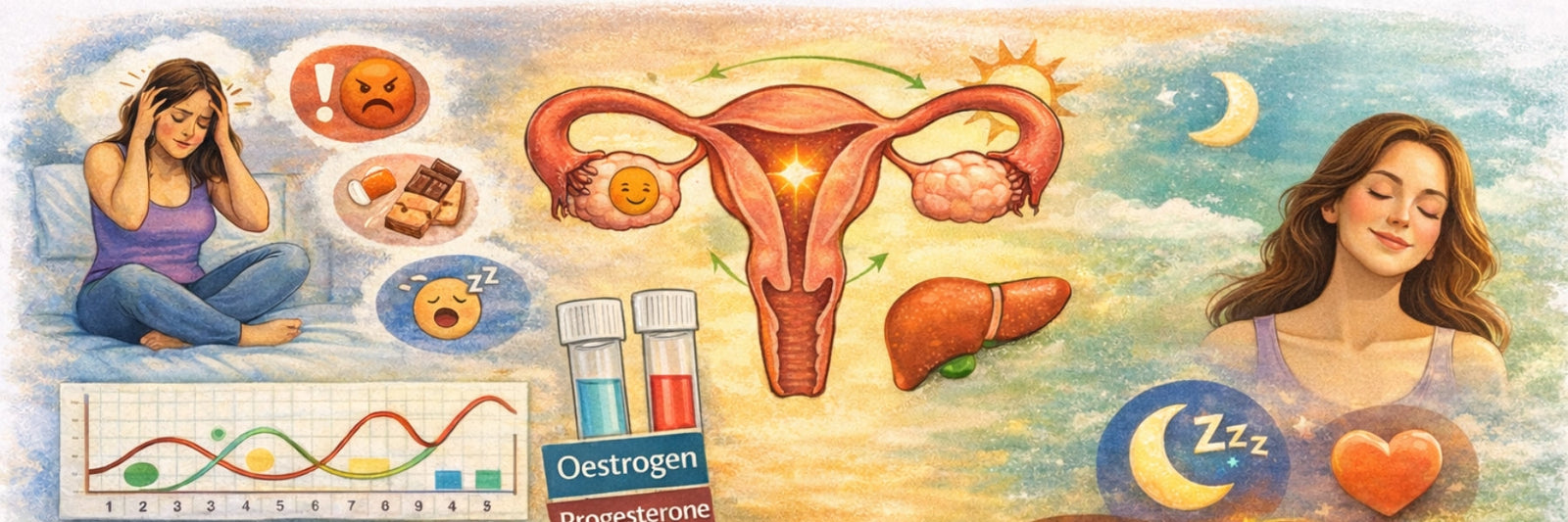
    PMS symptoms like irritability, anxiety, breast tenderness, cravings, headaches, breakouts, pain, heavy bleeding or clots usually reflect how well the cycle is functioning underneath — especially ovulation strength, progesterone rise after ovulation, stress load, blood sugar stability, inflammation, and how efficiently used hormones are cleared. This article helps you pinpoint where symptoms begin in your cycle, what that usually means in the body, and how to start with the most relevant layer of support.

    Read More
    PCOS: Why Ovulation Isn’t Happening — and What That Does to Your Cycle | NatroVital
    PCOS and Ovulation: Why You’re Not Ovulating — and What It Means for Your Cycle

    by Greg Newson 32 min read

    PCOS isn’t just about cysts — it’s about ovulation, hormones, and how your body is communicating.

    This guide breaks down what may be disrupting ovulation in PCOS, including blood sugar fluctuations, ongoing stress, and patterns that interfere with egg development, and shows you a clear, step-by-step approach to supporting a more consistent menstrual cycle.

    Read More