
• Add description, images, menus and links to your mega menu

  • A column with no settings can be used as a spacer

  • Link to your collections, sales and even external links

  • Add up to five columns

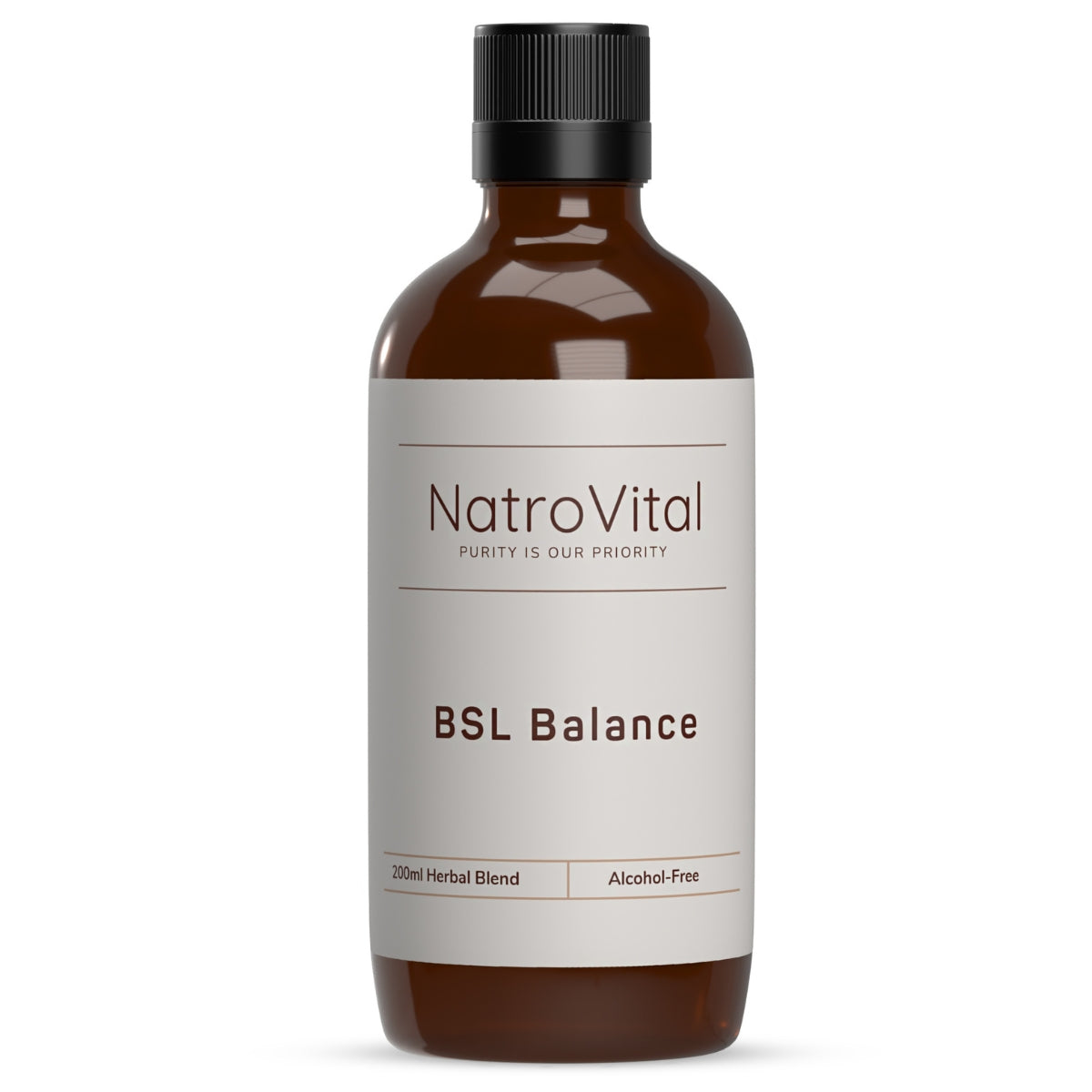
  • NatroVital BSL Balance

    ✓ Stay Healthy — save 10% with subscription

    Auto-renews, skip or cancel anytime.

    To add to cart, go to the product page and select a purchase option
    • When You Feel Hungry Again Not Long After Eating

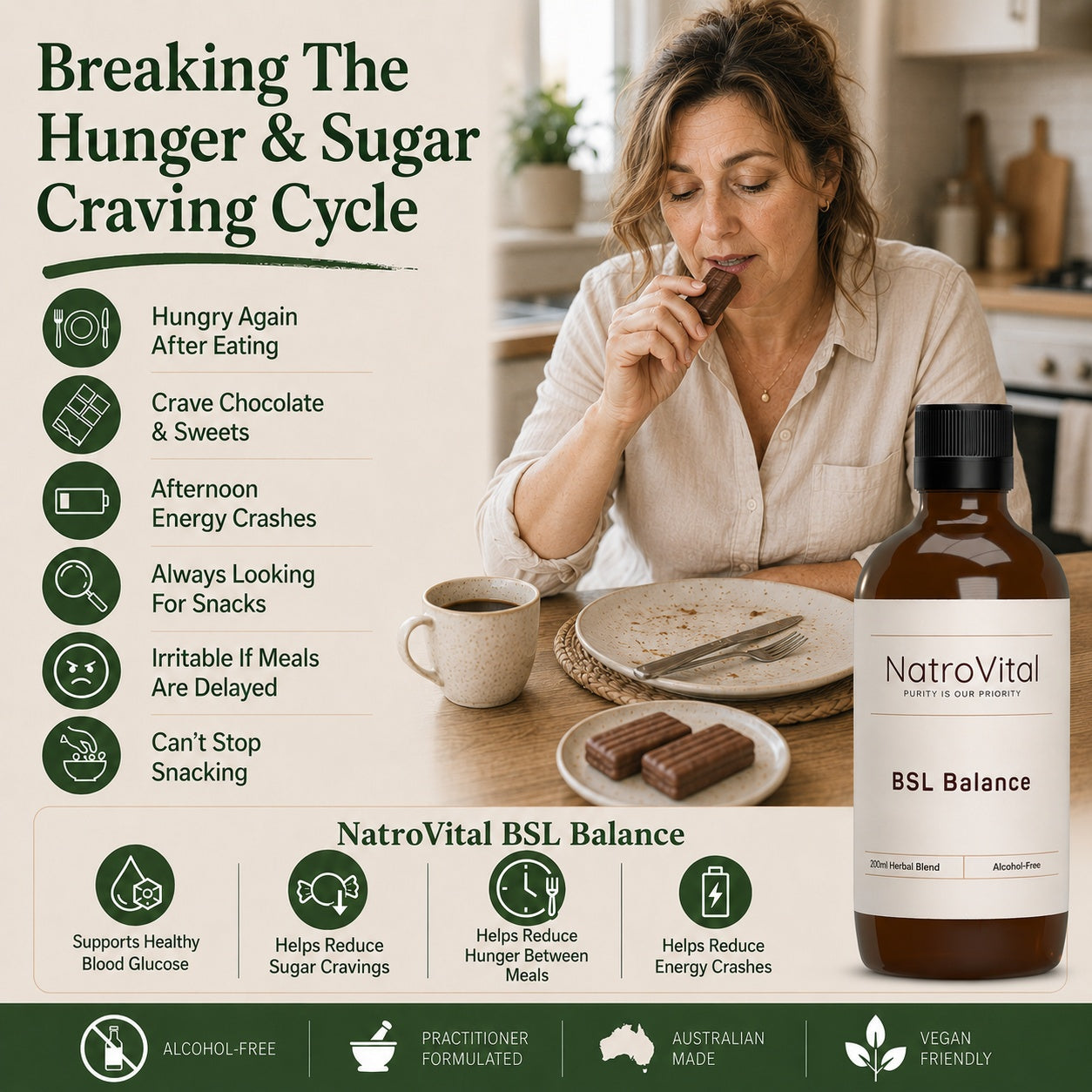
      You finish breakfast expecting it to keep you going until lunch, but by mid-morning you're already looking for something else to eat.

      Lunch fills you up at the time, yet an hour or two later you're back in the kitchen, opening the pantry or wondering what you can snack on. By the middle of the afternoon, your energy has dropped and chocolate, biscuits, another coffee or something sweet suddenly feels very appealing.

      Some people become shaky, light-headed, irritable, or unable to concentrate when a meal is delayed. Others simply notice that food never keeps them satisfied for long. They graze throughout the day, crave something sweet after meals or find that once they start eating chocolate, biscuits or other carbohydrate-rich foods, it can be difficult to stop.

      Most people see these as separate problems. They think they have a sweet tooth, lack willpower, need another coffee because they're tired or simply have a large appetite.

      But hunger returning soon after eating, afternoon fatigue, irritability, poor concentration and sugar cravings may all be different signs of the same underlying pattern.

      Why You Can Feel Hungry Again Soon After Eating

      Many of these symptoms can occur when your body's fuel supply changes more quickly than your brain would like. In many people, they can all be different ways the body responds when blood glucose rises and falls too quickly.

      After you eat, some of the food is broken down into glucose, which enters the bloodstream and provides fuel for the brain, muscles and other tissues. The body then releases insulin, which helps move glucose from the bloodstream into the cells where it can be used for energy.

      Most of the time, this works exactly as it should. However, meals and snacks high in sugar or refined carbohydrates can cause blood glucose to rise quickly. The body may respond by releasing more insulin to bring those levels back down. If that fuel supply drops again soon afterwards, the brain notices and begins looking for a fast way to restore its fuel supply.

      That is why the craving is often for chocolate, biscuits, bread, sweets or another coffee rather than eggs, fish or vegetables. These foods may provide temporary relief, but because they are often digested quickly, the cycle can begin again not long afterwards—leaving you hungry, craving more and wondering why you can never seem to stay satisfied.

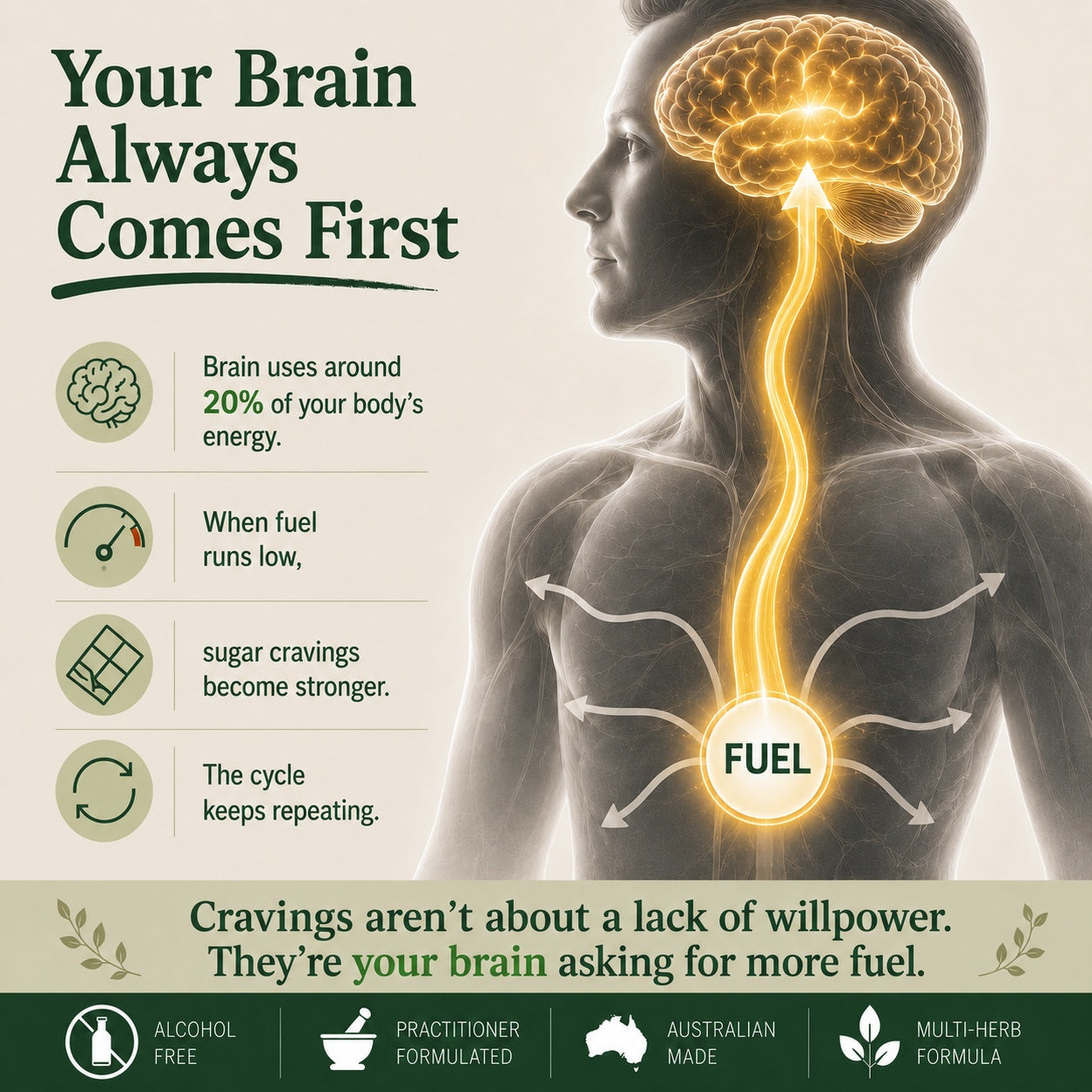
      Your brain is not necessarily asking for chocolate or biscuits. It is responding to falling blood glucose and directing you towards the fastest source of fuel it can find.

      Does This Sound Familiar?

      You don't need to experience every one of these. But if several sound familiar, hunger, cravings and changes in energy may be part of the same blood sugar pattern.

      • You're hungry again within a couple of hours of eating.
      • You crave chocolate, biscuits, bread or something sweet most afternoons.
      • You rely on coffee or sugar to get through the second half of the day.
      • You feel sleepy, heavy or mentally foggy after meals.
      • You become irritable, shaky, develop headaches or feel light-headed if a meal is delayed.
      • You snack throughout the day rather than feeling satisfied between meals.
      • Once you start eating sweet foods, you find it difficult to stop.
      • You feel better after eating something sweet, but the improvement doesn't last.
      • You need something sweet after a meal before you feel satisfied.
      • Your cravings become stronger when you're stressed, overtired or haven't slept well.
      • Your weight is gradually increasing despite feeling as though you don't eat large meals.
      • You feel as though you're always thinking about what you can eat next.

      Your Body May Be Trying to Tell You Something

      Most people don't think about their blood sugar until someone mentions diabetes. But problems with blood glucose don't suddenly begin on the day diabetes is diagnosed.

      Long before diabetes develops, the body may already be working much harder to keep blood glucose within a healthy range. The hunger, cravings, afternoon energy slumps and changes you've just read about may be some of the earliest signs that this extra work is already taking place—even though most people dismiss them as simply having a sweet tooth, a big appetite or needing another coffee.

      Think of it like the warning light on your car's dashboard. The light isn't the problem—it's telling you that something under the bonnet needs attention before it turns into a much bigger and more expensive repair.

      Over time, regularly elevated blood glucose can contribute to gradual weight gain and place increasing pressure on the body's blood vessels, nerves, kidneys, eyes and circulation. These changes usually occur slowly over many years, which is why they are often overlooked until they become much harder to ignore.

      Recognising these early warning signs gives you the opportunity to act while your body is still asking for help, rather than waiting until it starts demanding it.

      Traditional Herbal Support for Healthy Blood Glucose and Appetite

      Traditional herbal practitioners recognised that excessive appetite, sugar cravings and difficulty feeling satisfied after meals were often connected rather than separate problems. They traditionally selected herbs to support healthy blood glucose regulation, appetite and the body's response to sweet or carbohydrate-rich foods.

      NatroVital BSL Balance combines herbs traditionally used to support healthy blood glucose regulation, help you feel satisfied after meals, reduce the desire for sweet foods and maintain a more natural appetite throughout the day.

      The goal isn't simply to stop craving sugar. It's to break the cycle—helping you feel satisfied after meals, go for longer without thinking about food and avoid the irritability, cravings and energy slumps that can occur when blood glucose rises and falls too quickly.

      Please Note: NatroVital BSL Balance is formulated using traditional herbal knowledge and we refer to the historical use of herbs when describing this product. It is not intended to replace a balanced diet, blood glucose monitoring or prescribed diabetes treatment. If you are taking insulin or blood glucose-lowering medication, or are unsure whether this formula is suitable for your needs, please contact our clinic before purchasing.

      Want to know what’s in this formula?

      Continue to the Ingredients or read the Frequently Asked Questions.

    • Why These Herbs Were Chosen

      Traditional herbal practitioners rarely relied on a single herb when supporting healthy blood glucose and appetite. They recognised that different herbs had different traditional strengths, so they combined them to create broader formulas than any one herb could provide alone.

      Some herbs were traditionally used to support healthy blood glucose regulation, while others were valued for helping reduce the desire for sweet foods, support healthy appetite or assist healthy glucose metabolism. Together, they provide a more complete traditional approach than any one herb could achieve alone.

      Herbs Traditionally Used to Support Healthy Blood Sugar Balance

      • Organic Barberry (Berberis vulgaris)
      • Organic Cinnamon Bark (Cinnamomum verum)
      • Organic Gymnema (Gymnema sylvestre)
      • Organic Sumac Berries (Rhus coriaria)

      Keeping blood sugar balanced is one of the body's most important jobs after eating. These herbs have traditionally been used to support healthy blood sugar balance and the body's natural response to sweet and carbohydrate-rich foods.

      Herbs Traditionally Used to Reduce the Desire for Sweet Foods

      • Organic Gymnema (Gymnema sylvestre)
      • Organic Cinnamon Bark (Cinnamomum verum)
      • Organic Fenugreek (Trigonella foenum-graecum)

      Craving something sweet is not always simply about habit or self-control. The desire for chocolate, biscuits, bread or other carbohydrate-rich foods can become stronger when blood sugar falls quickly or meals fail to keep you satisfied for long.

      Herbs Traditionally Used to Support a Healthy Appetite

      • Organic Fenugreek (Trigonella foenum-graecum)
      • Organic Gymnema (Gymnema sylvestre)
      • Organic Goat's Rue (Galega officinalis)
      • Organic Cinnamon Bark (Cinnamomum verum)

      Feeling comfortably full and staying satisfied are not always the same thing. Traditional herbal practitioners selected these herbs to support a healthy appetite, reduce the desire for sweet foods and help people go for longer without constantly thinking about their next meal.

      Herbs Traditionally Used to Support Healthy Carbohydrate Metabolism

      • Organic Barberry (Berberis vulgaris)
      • Organic Goat's Rue (Galega officinalis)
      • Organic Sumac Berries (Rhus coriaria)
      • Organic Cinnamon Bark (Cinnamomum verum)

      Your body makes thousands of decisions about every meal you eat—how nutrients are digested, absorbed, stored and used. These herbs were traditionally chosen to support those natural processes, particularly after carbohydrate-rich meals, while also supporting healthy digestion and liver function.

      Why We Use Liquid Herbal Extracts

      • Only the concentrated herbal compounds are extracted—not the bulk plant fibre found in powders, tablets and capsules
      • Rapid absorption through the tissues of the mouth and digestive tract
      • Does not rely solely on digestion to begin delivering herbal compounds
      • No synthetic fillers or binders
      • No bulking agents
      • No artificial flavours or sweeteners
      • No unnecessary additives
      • 100% alcohol-free formula

      Unlike powders, capsules and tablets that contain the entire dried herb, our liquid extracts contain only the concentrated plant compounds drawn out during extraction. This allows the herbal constituents to begin interacting with the body without first requiring tablets, capsules or plant fibre to be broken down.

      Our Commitment to Purity

      • Vegetable Glycerine: Used as a natural preservative and sweetener without the need for artificial additives.
      • Purified Grander Water: Free from chlorine and fluoride, providing a clean base for our herbal extracts.
      • 100% Alcohol-Free: The alcohol used during extraction is removed under vacuum at low temperatures before the concentrate is blended with vegetable glycerine and purified water.
      • Vegan & Allergen-Free: Free from gluten, dairy, eggs, soy, nuts, corn, yeast, artificial colours, flavours and preservatives.

      How NatroVital BSL Balance Is Made

      We begin with a pharmaceutical-grade alcohol extraction to draw out the broad spectrum of plant compounds from the raw herbs. Once extraction is complete, the alcohol is gently removed under vacuum at low temperatures to help preserve the integrity of the herbal constituents.

      The concentrated extract is then blended with vegetable glycerine and purified Grander water to create a clean, stable and completely alcohol-free herbal tonic.

      Every bottle is formulated and produced by us in Australia using small-batch manufacturing methods that prioritise purity, quality and attention to detail.

      Active Herbal Ingredients Per Serve

      Each 1mL of NatroVital BSL Balance contains the equivalent of 500mg of dried herbal material, providing a consistent concentration of herbs traditionally used to support healthy blood glucose regulation, appetite, sugar cravings and metabolic function.

      Want to learn more about the fillers, binders, coatings and additives commonly used in supplements? Read our guide on The Truth About Excipients.

      Still have questions?

      Read our Frequently Asked Questions for dosage information, common combinations and answers to the questions we're most often asked in clinic.

    • NatroVital BSL Balance Common Questions

      â—„What is the recommended dosage for NatroVital BSL Balance?
      The standard adult dosage is 7.5ml twice daily, or as advised by your healthcare practitioner. This tonic may be used short-term or ongoing, depending on individual needs.
      â—„How should I take BSL Balance?
      Mix the recommended dose in a small amount of water or juice and consume. To ensure you receive the full benefits, rinse and drink any remaining liquid from the measuring cup.
      â—„What causes sugar cravings?

      Many people assume sugar cravings mean they have a sweet tooth or simply lack willpower. But cravings can become much stronger when blood glucose rises quickly and then falls again soon afterwards.

      The brain relies heavily on glucose as its main source of fuel and has very little ability to store it. When blood glucose begins to fall, protecting the brain's fuel supply becomes a priority. The body responds by increasing hunger and driving you towards foods that can restore blood glucose as quickly as possible.

      That is why the craving is usually for chocolate, biscuits, bread, lollies or something sweet rather than eggs, fish or vegetables. These foods provide glucose much more quickly.

      Your brain isn't necessarily asking for chocolate or sugary snacks. It's asking for glucose, and chocolate and sugary snacks just happens to be one of the fastest ways to get it.

      â—„Why am I always hungry, even after eating?

      Many people assume that if they've eaten a large meal, they shouldn't feel hungry again for several hours. But feeling full and feeling satisfied are not always the same thing.

      Your stomach may be physically full, yet if the meal is digested and absorbed quickly, blood glucose can begin falling again not long afterwards. When that happens, the brain becomes much more interested in protecting its fuel supply than how full your stomach still feels.

      That's why you can finish a large bowl of cereal, toast or a muffin for breakfast, feel completely full, yet be searching for food again before lunchtime. It isn't necessarily because you didn't eat enough. It's often because the meal was rich in rapidly digested carbohydrates but didn't contain enough protein, healthy fats or fibre to keep you feeling satisfied for longer.

      The stomach measures how much you've eaten. The brain is far more interested in whether it still has enough fuel to keep working properly.

      â—„Why do I always want something sweet after a meal?

      For some people it's simply become a habit. If dessert, chocolate or something sweet regularly follows a meal, the brain begins to expect it. Before long, finishing a meal and wanting something sweet become linked, even if you're no longer physically hungry.

      For others, the meal itself may be part of the reason. A meal high in refined carbohydrates but low in protein, healthy fats and fibre may not keep blood glucose stable for very long. As blood glucose begins to fall, the brain starts looking for a quick source of fuel, making something sweet especially appealing.

      Sometimes the craving is habit. Sometimes it's your brain asking for more glucose. Often, it's a combination of both.

      â—„Why do I feel shaky, irritable or get a headache if I miss a meal?

      Many people are surprised by how quickly it can happen. One minute they're fine, then suddenly they're shaky, irritable, light-headed, struggling to concentrate or developing a headache. As soon as they eat something, they often start feeling better again.

      The brain depends on a continuous supply of glucose and has very little ability to store it. When blood glucose begins to fall, the body doesn't quietly wait until it runs out. It activates a series of warning signals designed to encourage you to eat before the brain's fuel supply drops too low.

      Those feelings of shakiness, irritability, headache or suddenly "hitting a wall" aren't necessarily the problem themselves. They can be part of the body's early warning system, telling you it's becoming increasingly uncomfortable with the amount of glucose available.

      The brain doesn't wait until it's running out of fuel before it lets you know. It starts sending stronger and stronger signals to encourage you to eat while there's still enough glucose available to keep it functioning normally.

      â—„Why do I crash in the middle of the afternoon?

      The afternoon slump is often blamed on being busy or not getting enough sleep. While both can contribute, the timing of the slump may also reflect what has happened to blood glucose since breakfast and lunch.

      If breakfast and lunch caused blood glucose to rise quickly and then fall again soon afterwards, energy may begin dropping just as the natural alertness of the morning starts wearing off. Coffee, biscuits or chocolate may lift you temporarily, but they may also start another rise-and-fall cycle.

      The afternoon crash may not be a sign that you need more caffeine. It may be the bill arriving for the poor food choices made earlier in the day.

      â—„Why do I feel sleepy or mentally foggy after eating?

      Have you ever eaten lunch and felt like you could easily fall asleep afterwards? Or found yourself reaching for a coffee because your brain just doesn't seem to switch back on?

      For some people, this happens because a meal high in refined carbohydrates causes blood glucose to rise quickly, followed by a larger insulin response. As blood glucose begins to fall again, the brain may not receive the steady supply of fuel it prefers, leaving you feeling tired, mentally sluggish or finding it harder to concentrate.

      It's also worth remembering that digestion requires energy. After a large meal, particularly one that's difficult to digest, it's normal for the body to direct more of its resources towards processing food.

      The meal that gives you the biggest energy boost is often the one that causes the biggest energy slump later.

      â—„Can blood sugar fluctuations affect my mood?

      Yes. For some people, one of the first signs that blood glucose is falling isn't hunger—it's a change in mood. They may become irritable, impatient, anxious or find themselves overreacting to things that normally wouldn't bother them.

      This happens because the brain relies on a continuous supply of glucose to function properly. As that fuel supply begins falling, the brain becomes much more focused on getting you to eat than helping you stay calm, patient or focused.

      That's why someone can feel completely different 15 or 20 minutes after eating. The situation around them hasn't changed, but the brain is no longer concerned that its fuel supply is running low.

      If you've ever wondered, "Why was I so grumpy before lunch?", the answer may not have been the people around you. It may simply have been your brain asking for fuel.

      â—„Can blood sugar fluctuations affect concentration and brain fog?

      The brain uses glucose continuously to think, concentrate, remember and make decisions. When blood glucose is rising and falling quickly, some people notice that their thinking becomes slower or less reliable.

      You may find yourself reading the same sentence several times, walking into a room and forgetting why you went there, losing your train of thought mid-conversation or making simple mistakes that you wouldn't normally make. Then, after eating, your thinking seems to improve again.

      What feels like a concentration problem may sometimes be a fuel problem. The brain still knows what to do, but it cannot work as effectively when the glucose it depends on is falling too low.

      â—„Can stress make sugar cravings worse?

      Yes. Many people notice that they crave chocolate, biscuits or other sweet foods much more when they're stressed. Stress can also lead to skipped meals, poor sleep, eating on the run and reaching for whatever is quick and convenient.

      Stress increases the body's demand for readily available energy. At the same time, stress hormones can influence the way glucose is released and used, making appetite and cravings feel less predictable. If blood glucose is already beginning to fall, the brain is even more likely to look for a quick source of fuel.

      Stress doesn't just make chocolate more tempting. It can make your brain much less interested in a salad or healthy protein and much more interested in foods that provide glucose quickly.

      â—„Can poor sleep make me crave sugar?

      Yes. After a poor night's sleep, the brain is already working harder than usual. It often looks for the quickest way to improve alertness and restore energy, making chocolate, biscuits, sugary foods and refined carbohydrates much more appealing than they normally would.

      Poor sleep can also affect the hormones that help regulate hunger and fullness. As a result, you may feel hungrier throughout the day, less satisfied after meals and more likely to keep reaching for snacks.

      A poor night's sleep doesn't just affect how you feel the next day. It can influence what you feel like eating.

      â—„Can blood sugar fluctuations make it harder to lose weight?

      Yes. Blood glucose doesn't simply disappear if the body doesn't need it immediately. Some is stored in the liver and muscles as glycogen, but once those stores are full, excess glucose can be converted and stored as body fat.

      Your body is remarkably efficient. If energy keeps arriving from biscuits, soft drinks, sugary snacks or frequent grazing, it will generally use that fuel first. The more often fresh fuel arrives, the less opportunity there is to start using the energy already stored around your waist, hips and thighs.

      Weight gain doesn't always come from eating one enormous meal. It often develops quietly from repeatedly topping up the body's fuel supply before it has had much opportunity to use the energy it already has in reserve.

      â—„Can blood sugar problems begin long before diabetes develops?

      Yes. Diabetes is not usually something that appears overnight. For many years beforehand, the body may be working increasingly hard to keep blood glucose within a healthy range.

      During this time, fasting blood glucose can still appear acceptable because insulin is being released in larger amounts to achieve that result. Hunger soon after eating, strong sugar cravings, afternoon crashes and gradual weight gain may appear long before a formal diagnosis is made.

      A normal blood glucose result does not always mean the body is finding the job easy. Sometimes the number looks normal because the body is working overtime to keep it there.

      â—„Why can blood glucose be normal when I still have symptoms?

      A blood glucose test shows how much glucose is present at that particular moment. It does not always show how much insulin was required to keep it there or how sharply glucose may have risen and fallen between tests.

      Someone can therefore have a normal fasting result while still experiencing strong hunger, cravings, sleepiness after meals or afternoon energy changes.

      A single photograph can look normal even when the full movie tells a very different story.

      â—„What is insulin resistance?

      Insulin acts like a signal that tells the body's cells to allow glucose to move out of the bloodstream and be used or stored. With insulin resistance, the cells become less responsive to that signal.

      The body compensates by producing more insulin to achieve the same result. For a time, blood glucose may remain within the normal range, but the pancreas has to work much harder to keep it there.

      Insulin resistance is a little like having to knock louder and louder on a door that once opened easily.

      â—„Can protein help reduce hunger and sugar cravings?

      It often can. Protein generally takes longer to digest than refined carbohydrates, helping meals remain satisfying for longer. It also slows the rate at which food leaves the stomach, meaning glucose is released more gradually rather than arriving all at once.

      That's why two breakfasts containing similar amounts of calories can leave you feeling completely different a few hours later. A breakfast of toast or sugary cereal may have you looking for food again by morning tea, while eggs, Greek yoghurt or another protein-rich breakfast often keeps you satisfied until lunch.

      Protein isn't there simply to make you feel full at breakfast. It's there to help stop you looking for a biscuit at 10:30.

      â—„Are there other NatroVital products that work well with BSL Balance?

      That depends on your individual needs. Many people also focus on eating enough protein, increasing fibre-rich foods, improving sleep and becoming more physically active, as these all influence healthy blood glucose regulation and appetite.

      If your daily protein intake is low, NatroVital Collagen Peptides can be an easy way to increase protein intake, particularly at breakfast, helping create meals that are often more satisfying than those based mainly on refined carbohydrates.

      â—„What makes herbal tonics different from capsules, tablets, or powders?
      NatroVital BSL Balance is a liquid herbal tonic made without synthetic fillers, binders, bulking agents, preservatives, flavours, or sweeteners—ingredients commonly found in capsules, tablets, and powders. Because it’s alcohol-free and doesn’t require digestion, it delivers fast-absorbing, concentrated herbal extracts in their purest form. You get only what the body needs—nothing unnecessary or artificial.

      Want to know more about what’s really in your supplements? Read our blog on excipients here.
      â—„Why choose NatroVital over other supplement brands?

      NatroVital is a proudly Australian-owned and operated business, created by Greg Newson—a qualified naturopath, herbalist, and nutritionist with over 20 years of clinical experience. NatroVital was born out of frustration with the supplement industry. Too many products were loaded with synthetic fillers, binders, sweeteners, and unnecessary additives that offered little benefit—and often stood in the way of genuine healing.

      At NatroVital, we believe that what’s left out of a supplement is just as important as what goes in. That’s why every one of our herbal tonics is made using only pure, concentrated herbal extracts—nothing more. All of our products, including BSL Balance, are formulated and produced at our own facility here in Australia. We're a small, family-run business committed to clean, honest, and effective natural health solutions you can trust.

      â—„Is BSL Balance suitable for vegans and vegetarians?
      Yes. NatroVital BSL Balance is 100% plant-based and does not contain any animal-derived ingredients.
      â—„Are there any precautions or interactions to be aware of?
      While BSL Balance is made using herbs with a long history of traditional use, please exercise caution in the following situations:

      Blood-thinning medications: Sumac may support circulation. Consult your healthcare practitioner if taking anticoagulants.
      Anti-diabetic medications: The herbs in this tonic may support healthy blood sugar balance. If taking insulin or glucose-lowering medication, consult your healthcare provider for monitoring.
      Reflux: Fenugreek contains saponins which may aggravate reflux symptoms in some individuals.
      Allergies: Avoid if you are allergic to any of the ingredients.

      Always consult your practitioner if you’re on medication, have a health condition, or are unsure if this tonic is suitable for you.
      â—„Is NatroVital BSL Balance a therapeutic medicine?
      NatroVital BSL Balance is made using traditional herbal knowledge and is professionally formulated by qualified health practitioners. It is not listed with the Therapeutic Goods Administration (TGA) and does not claim to diagnose, treat, cure, or prevent any medical condition.

      This tonic is designed to support healthy blood sugar metabolism and pancreatic function through traditional herbal practice. Please consult your healthcare provider if you’re unsure whether this tonic is right for your needs.

      In Australia, only products that are listed or registered with the Therapeutic Goods Administration (TGA) are permitted to make therapeutic claims. As NatroVital BSL Balance is not TGA-listed, we are unable to state specific health outcomes—even when supported by traditional use or research. Instead, we explain how herbs have been traditionally used in herbal medicine so you can make informed decisions about your health.
      ◄Why isn’t NatroVital BSL Balance listed with the TGA?
      We’ve chosen not to list this product with the Therapeutic Goods Administration (TGA) so that we can continue to speak openly about the long-standing traditional uses of herbs. TGA listing brings strict language restrictions that often prevent us from sharing this knowledge clearly. It also requires manufacturing on a much larger scale through licensed facilities, along with substantial initial and ongoing registration costs. These factors significantly increase production expenses and limit flexibility. By creating small-batch formulas using clean, high-quality ingredients, we’re able to keep our tonics affordable and stay true to our herbal roots—without compromising quality or integrity.

      Unlike large-scale TGA-licensed manufacturers, we create our tonics using a unique process that removes alcohol after extraction and replaces it with natural vegetable glycerin. This method preserves the herbal actives while creating a clean, alcohol-free final product. It’s a more labour-intensive process that isn’t offered by conventional manufacturers, but it allows us to stay true to our values of purity, quality, and making traditional herbal support affordable and available without compromise.

      Each NatroVital tonic is created with a hands-on approach that respects the living nature of the herbs. We believe that passion, care, and healing intention are just as important as the ingredients themselves—qualities often lost in large-scale, industrial production. Our small-batch methods honour traditional herbal wisdom while delivering pure, effective tonics crafted with purpose.

    Auto-renews, skip or cancel anytime.